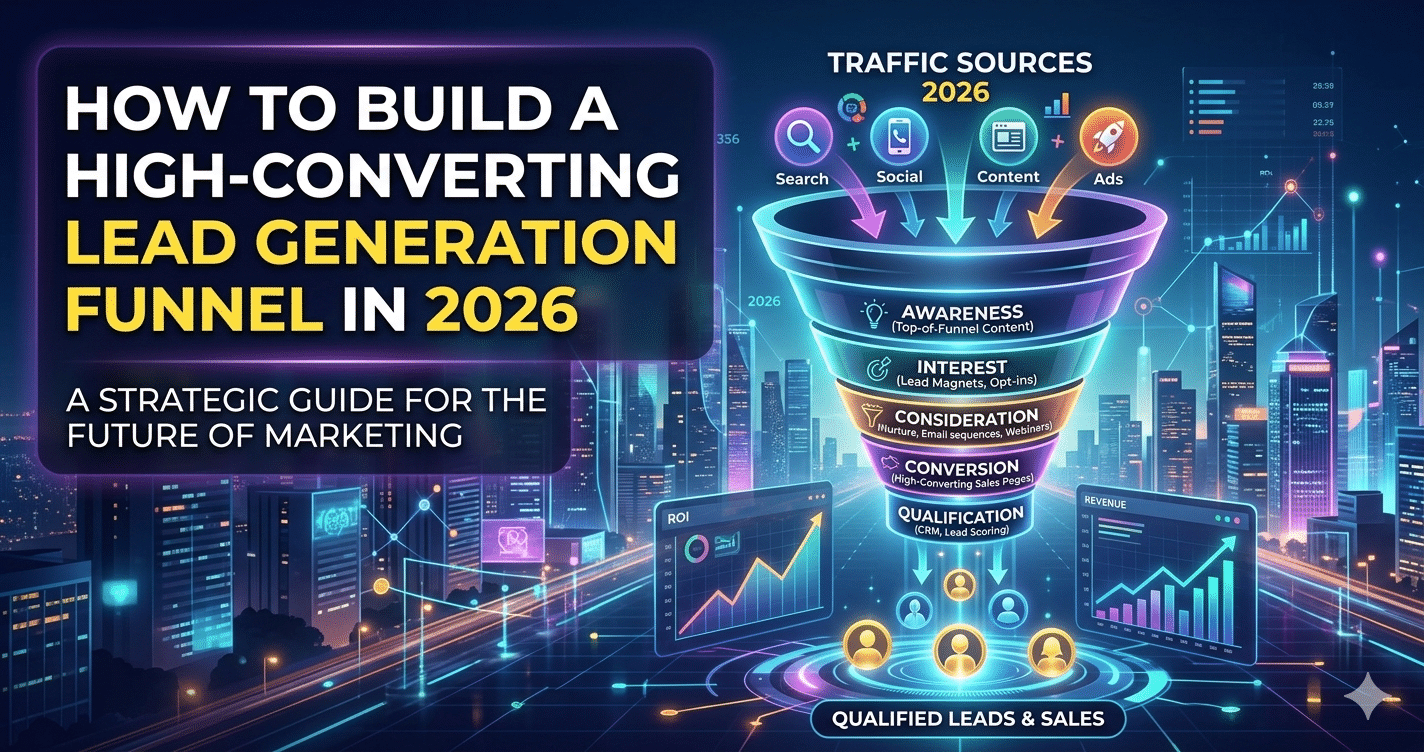
Learn How To Build A High-Converting Lead Generation Funnel In 2026 Using Proven, Simple Strategies To Attract, Nurture, And Turn Leads Into Loyal Customers.
Introduction
In 2026, getting traffic to your website is not enough. The real success comes when that traffic turns into leads, and those leads turn into paying customers. Many businesses get visitors, but they struggle to guide them properly. That is why a lead generation funnel is so important.
A lead generation funnel helps you move people step by step through their journey. It starts when they first discover your business and continues until they trust you enough to buy from you. A good funnel does not just sell. It attracts, educates, nurtures, and converts.
-
What is a Lead Generation Funnel?
A lead generation funnel is a process that helps businesses attract the right people and guide them toward becoming customers. It is called a funnel because many people may enter at the top, but only the most interested and qualified people move down to the final stage.
Unlike a simple sales funnel that focuses mainly on closing deals, a lead generation funnel also focuses on the earlier stages. It helps build awareness, gives useful information, and keeps people interested before asking them to buy. This makes the process more natural and more effective.
In simple words, it is a step-by-step path that helps a stranger become a loyal customer.
-
Why a Lead Generation Funnel is Important
A lead generation funnel is important because it gives structure to your marketing efforts. Without it, businesses often attract random traffic but fail to convert that traffic into real business results.
A strong High-Converting Lead Generation funnel helps in three big ways. First, it improves conversion rates because people receive the right message at the right time. Second, it improves the customer journey because leads feel supported and understood. Third, it reduces wasted marketing budget because businesses can focus more on high-quality leads instead of chasing everyone.
In short, a proper funnel helps businesses work smarter, not harder.
-
Identify your Target Audience
This is the first and most important step. If you do not know who you want to attract, your entire funnel can become weak. You may create content, landing pages, and offers, but they may not connect with the right people.
To identify your target audience, you need to study your current customers, analyze website visitors, research the market, and understand what kind of people or businesses are most likely to need your product or service. You should know their problems, goals, interests, and behavior.
When you understand your ideal customer profile clearly, your funnel becomes much stronger because every message can be designed for the right audience. This makes people feel that your brand truly understands them.
-
Create a High-Converting Lead Magnet
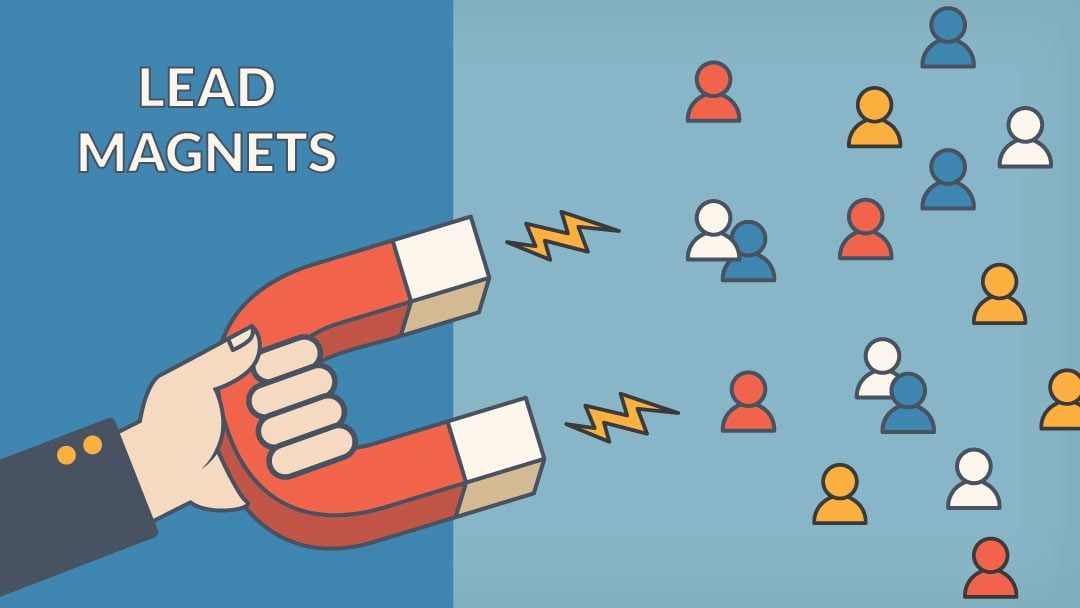
Once you know your audience, the next step is to offer something valuable in exchange for their contact details. This is called a lead magnet.
A lead magnet can be an ebook, checklist, webinar, template, report, or any useful resource that solves a real problem for your audience. The goal is to give people enough value that they are happy to share their email address or other contact information.
A good lead magnet should be relevant, helpful, and easy to understand. It should match the interests of your ideal audience. If your audience is digital marketers, for example, then a guide about advanced SEO or paid ad strategy could work very well.
This step matters because it opens the door for future communication. Once someone downloads your resource, they become a lead you can nurture further.
-
Optimize Your Landing Pages
A lead magnet alone is not enough. The page where people land also needs to be strong. A landing page should be simple, clear, and designed with one goal in mind: conversion.
Your landing page should include strong copy, clear benefits, a simple form, and social proof such as reviews or testimonials. It should quickly explain why the offer matters and why the visitor should take action right now.
If a landing page feels confusing, too long, or too complicated, many visitors will leave without converting. That is why clean design and focused messaging are so important.
A good landing page reduces friction and makes it easy for people to say yes.
-
Set Up an Email Nurturing Campaign
After collecting leads, you should not stop there. This is where lead nurturing begins. Many people are interested, but they are not ready to buy immediately. They need more trust, more information, and more connection.
Email is one of the best tools for this stage. Through email, you can follow up with leads, thank them for signing up, share extra resources, offer useful tips, and gently guide them toward the next step.
The key is personalization. Not every lead is the same, so your emails should feel relevant to their interests and behavior. A lead who downloaded an SEO guide may need different follow-up content than someone who visited your pricing page.
Email nurturing helps your business stay in people’s minds and slowly move them closer to conversion.
-
Use Strong and Clear Ctas
CTA means call to action. This is the part where you tell people what to do next. Without strong CTAs, even interested visitors may do nothing.
A good CTA should be clear, direct, and benefit-driven. Instead of just saying submit, you can say download your free guide, book your demo, or start your free trial. This makes the action feel more meaningful.
A CTA should also stand out visually on the page. Its wording, placement, and size all matter. In some cases, urgency can also help, especially in the later stages of the funnel.
Strong CTAs remove confusion. They give your leads a clear path forward.
-
Monitor and Optimize your Funnel
No funnel is perfect from day one. Once your funnel is active, you need to monitor how it performs and improve it over time.
You should track things like conversion rates, lead quality, cost per lead, and how people interact with your pages, emails, and CTAs. If you notice that many people drop off at a certain step, that may be a sign that something needs to be fixed.
Optimization can include changing landing page copy, improving your lead magnet, testing different email subject lines, or adjusting CTA wording. Small improvements can make a big difference.
A high-converting funnel is never completely finished. It grows stronger through testing and learning.
-
Understand the Four Stages of the Funnel
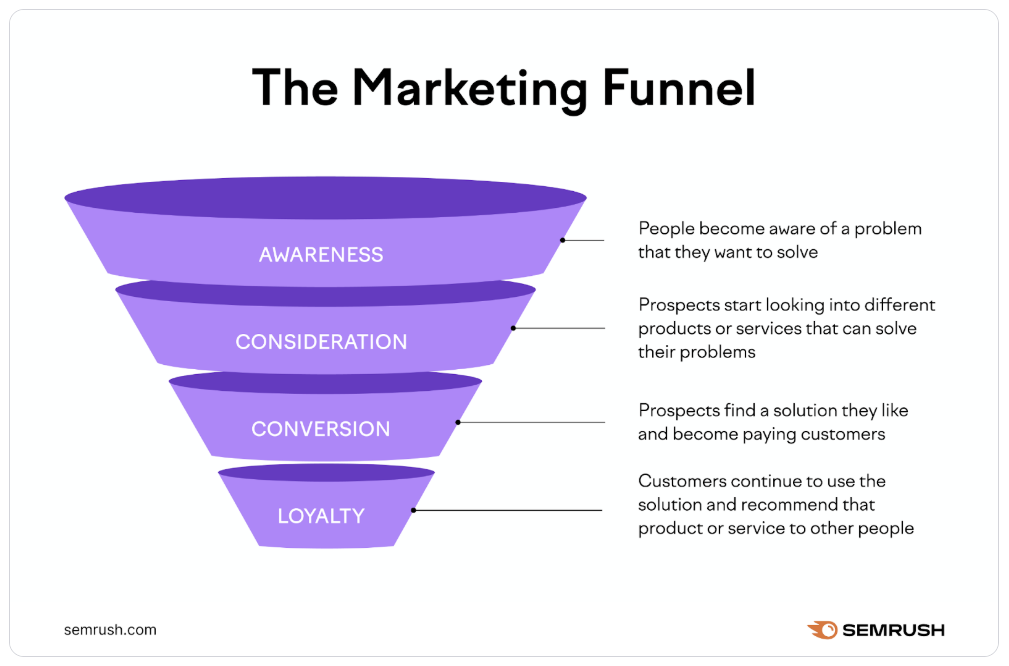
Most lead generation funnels have four main stages. Understanding these stages helps you create the right content and strategy for each one.
Awareness Stage
This is where people first discover your brand. At this stage, your goal is to get attention and create interest. Blog posts, SEO, social media, paid ads, and lead magnets work very well here.
People in this stage are usually looking for information, not ready to buy. So your job is to educate and attract, not push too hard.
Consideration Stage
At this stage, leads already know about your brand and are now comparing options. They want deeper information and proof that your solution is worth considering.
This is the right time to use case studies, detailed resources, webinars, and personalized emails. Free demos and free trials are also very effective here because they help leads experience your value directly.
Decision Stage
Now the lead is close to buying. They just need the final push. This is where strong offers, testimonials, clear CTAs, discounts, and personalized proposals can make a big difference.
At this stage, trust and clarity matter most. The easier you make the decision, the more likely the lead is to convert.
Retention Stage
Many businesses forget this part, but the funnel should not end after the sale. Retention is about keeping customers happy so they come back again and again.
This can be done through loyalty programs, good customer support, follow-up emails, feedback requests, upselling, and cross-selling. Happy customers often become repeat buyers and also recommend your business to others.
-
Best Practices for Better Results
There are a few important practices that can Build a High-Converting Lead Generation Funnel much stronger.
First, focus on personalization. People respond better when content feels tailored to them. Second, use the right marketing tools to automate and organize your process. Third, test different versions of landing pages, CTAs, and emails to see what works best. Fourth, keep improving based on results and customer behavior.
The businesses that get the best results are usually the ones that keep learning and adapting.
-
Common Mistakes to Avoid
Many businesses make avoidable mistakes while building a lead generation funnel. One big mistake is not clearly defining the target audience. If your audience is too broad, your messaging becomes weak.
Another mistake is making the funnel too complicated. Too many steps can confuse people and make them leave. Weak lead magnets are another problem because they fail to attract quality leads. Some businesses also collect leads but do not nurture them properly, which leads to lost opportunities.
Finally, ignoring data is a serious mistake. If you do not track performance, you will not know what is working and what is failing.
Avoiding these mistakes can save time, money, and energy.
-
Final Thoughts
In 2026, businesses need more than traffic. They need a smart system that turns attention into action. That is exactly what a lead generation funnel does.
When built properly, High-Converting Lead Generation Funnel that helps you attract the right people, build trust with them, guide them through each stage of the buying journey, and turn them into loyal customers. It also helps you improve your customer experience and get better value from your marketing efforts.
The best funnels are simple, clear, and focused on helping people at every step. If you build your funnel with care and keep improving it over time, it can become one of the strongest growth tools for your business.